Rest, Routes, and Rust: The NFL Schedule Angles Most Bettors Skip
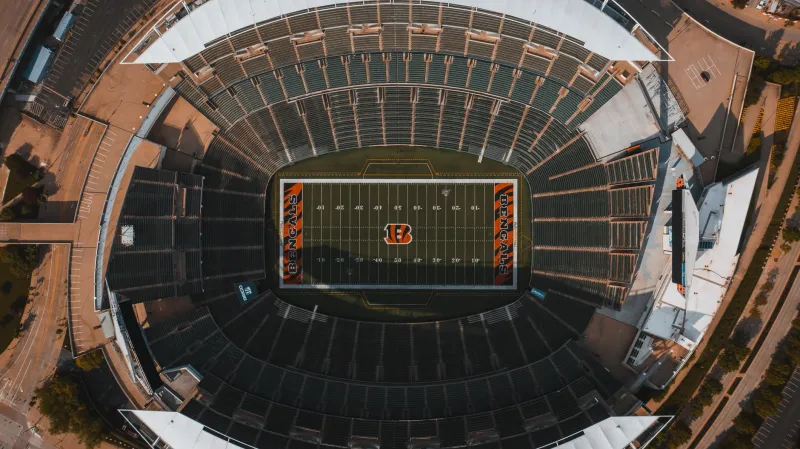
Every NFL Sunday, the betting world refreshes injury reports, monitors line movement, and checks the same three names on social media. Meanwhile, the schedule sits there like a boring spreadsheet. That is a mistake. Rest, travel, and short weeks are not sexy, but they shape matchups in ways the market does not always fully price.
This is not a promise that every team coming off a bye is a lock. It is the opposite. The schedule is a place to ask better questions, not a place to find automatic angles.
Bye weeks are not magic
The public loves the bye-week story. A team gets a week off, gets healthy, and comes back ready to dominate. Sometimes that happens. Often, the market has already baked the rest into the number. A team off a bye is not automatically fresher in a way that matters; it can also be rusty, out of rhythm, or facing a coaching staff that used the extra week to install a specific game plan.
The real question is not Who had a bye? It is Who needed the bye, and what did they do with it? A banged-up roster getting its starting offensive line back is different from a healthy team that just got a week to think about its problems. A coaching staff with a history of strong post-bye scripts deserves more respect than a staff that routinely comes out flat.
Short rest is a real tax, but it is taxed differently
Thursday night games are the clearest rest angle in the sport. One team often played the previous Sunday; the other may have played four days earlier. The rest differential is real. But the market knows this. The line moves. The total adjusts. The question is whether the public has overcorrected.
Short rest tends to hurt teams that rely on complex protections, heavy blitz packages, and a lot of pre-snap motion. It can also hurt older rosters more than young ones. It is less about the calendar and more about the style of play. A team that wins with pace and simple reads can survive a short week better than a team that wins with disguise and communication.
Travel is not just miles
A West Coast team flying east for a 1 p.m. kickoff is dealing with a body clock issue, not just a long flight. The same is true in reverse. The NFL schedule makers know this, and the market knows it too. But travel angles get lazy. Bettors see a cross-country trip and assume the visitor is doomed. That is not an edge. That is a cliché.
Look at the details. Was the team at home the week before? Did it travel east early? Is it a Thursday game after a Sunday road trip? Does the team have a bye on the other side? A team flying two time zones for a normal Sunday game is not the same as a team flying three time zones on a short week.
The lookahead and letdown spots
Schedule gaps also create emotional spots. A team with a divisional rivalry on deck can sleepwalk through a non-conference opponent. A team coming off an emotional win can come out flat. A team that just got embarrassed can be a buy-low candidate if the matchup is right.
These are not rest angles exactly, but they live in the same part of the schedule. The public loves to bet the obvious story. The sharp bettor asks whether the price already reflects it. That is the FB888 Bet lens: respect the schedule, but do not worship it.
How to build a schedule checklist
Before you bet a game with a rest or travel angle, run through a short list.
First, confirm the rest differential. Count actual days between games, not just the week label. Second, check travel and time zone changes. Third, look at the opponent's situation. A rested team facing a desperate team is not the same as a rested team facing a team that just found its identity. Fourth, check the market. If the line already moved two points because of the bye, the edge may be gone. Fifth, ask whether the team's style is helped or hurt by rest. A complex scheme can benefit from extra prep; a timing-based offense can suffer from rust.
Finally, separate the narrative from the number. The narrative says fresh legs win. The number says the market has heard that story before.
The bottom line
NFL bettors spend a lot of time on the loud stuff: injuries, weather, and the latest line move. The schedule is quieter, but it is not secret. The edge is not in knowing that a team had a bye. The edge is in knowing which bye matters, which travel spot is real, and which public assumption has been priced into the number.
Use rest and travel as filters, not as picks. If the schedule angle and the market price disagree, that is when the real work starts.
FB888 Bet: Where Champions Wager, Legends Win.