Forty-Eight Games, One Bankroll: A Survival Guide to the First Weekend of March Madness
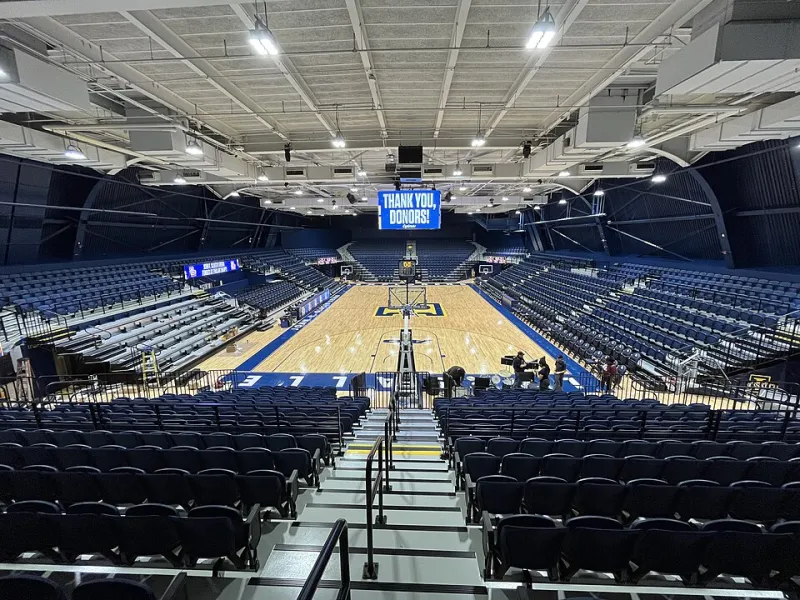
Photo: ELeibiger, CC0, via Wikimedia Commons
There's no stretch of the American sports calendar quite like it. From Thursday tip-off to Sunday's final buzzer, the first weekend of the NCAA Tournament delivers 48 games of chaos, buzzer-beaters, and more impulsive wagers than any other four-day window in the country. If the Super Bowl is betting's biggest single event, March Madness is its most dangerous marathon.
At FB888 Bet, we've watched the pattern repeat every spring: bettors who manage their bankroll sensibly all football season suddenly go rogue the moment a 13-seed hits a three at the buzzer. Here's how to be one of the few who's still standing when the Sweet 16 rolls around.
Why the First Weekend Wrecks Good Bettors
The problem isn't volume alone — it's the pace. Games stack on top of each other in overlapping waves. A bad beat on a Thursday afternoon game can be avenged thirty minutes later on a new tip. That immediacy is intoxicating, and it's exactly what fuels the revenge-betting spiral we've covered before.
Add in the emotional soup of bracket pools — where your buddy's 12-over-5 upset pick suddenly feels like insider information — and you have a recipe for wagering with your feelings instead of your plan.
Bracket Pools vs. Straight Wagers: Know the Difference
These are two different games wearing the same jersey.
Bracket pools reward contrarian picks and scoring systems, not betting acumen. Picking all favorites might be the 'smart' basketball play, but in a big pool you need to differentiate. Understand the scoring format before you pick, and remember: a bracket entry is a sunk cost the moment you submit it. Don't chase it with live bets when your Final Four collapses on Saturday.
Straight wagers are a math exercise. The tournament's point spreads are notoriously shaky because books are pricing chaos — limited data on mid-majors, weird venue neutral sites, and nerves of 19-year-olds. That uncertainty cuts both ways. Don't convince yourself you've found an edge in a game where neither team has played a ranked opponent since November.
The 48-Game Budget Framework
Here's a practical structure we recommend:
- Set a tournament-only bankroll. Money you'd load onto a gift card and never miss. Once it's gone, you're watching the Sweet 16 as a fan, not a bettor.
- Divide it into four daily units. Thursday, Friday, Saturday, Sunday each get an equal slice. A brutal Thursday can't touch Saturday's stack.
- Cap individual bets at 2-3% of the total. No 'lock' deserves more, especially in a tournament famous for vaporizing locks.
- Pre-commit to a game count. Pick your spots before the day starts — say, four to six games — rather than betting every window because the game is on.
The bettors who survive aren't the ones who hit every upset. They're the ones who still have chips when the field narrows and the games get sharper.
Surviving the Round of 32
By Saturday, the books have two full days of tournament data and the lines get tougher. Casual money is chasing storylines; sharp money is fading yesterday's narratives. A team that covered easily on Thursday is often now priced for a regression the public hasn't noticed.
Your job in the Round of 32 is simple: shrink. Fewer bets, smaller stakes, and zero interest in 'getting back to even' after a rough Friday. The tournament is long. Your bankroll doesn't have to be.
Play the Long Game, Not the Buzzer
March Madness is supposed to be fun — the upsets, the office pools, the 14-seed that won't die. Betting can heighten that fun, but only when the math is on your side. Set your budget before the First Four tips, honor your daily limits, and treat every losing ticket as the price of entertainment, not a debt to be repaid.
The bettors still wagering during the Elite Eight? They're the ones who treated the first weekend like a marathon instead of a slot machine. Be one of them.