The Halftime Pivot: How In-Game Wagering Became the Sharpest Seat in American Sports
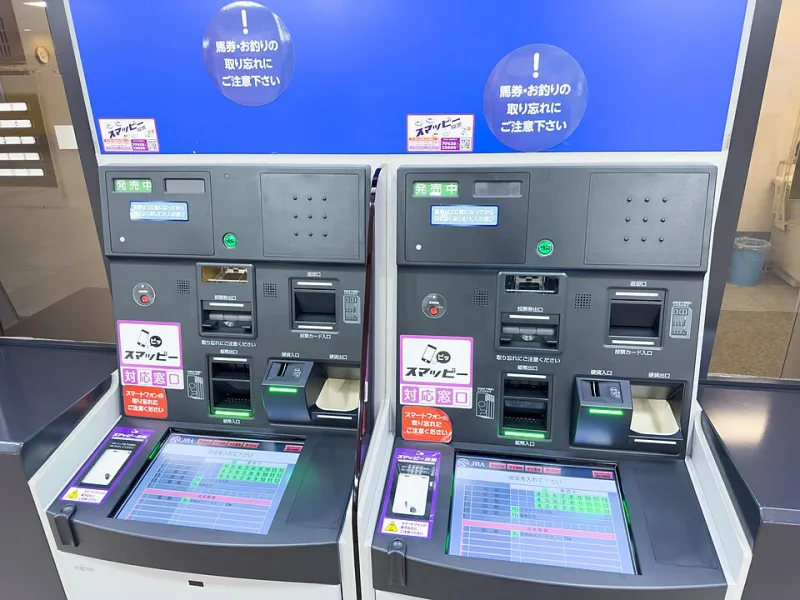
Photo: Dick Thomas Johnson from Tokyo, Japan, CC BY 2.0, via Wikimedia Commons
Walk into any sportsbook on a Sunday in 2025 and you'll notice something odd: half the screens aren't showing pre-game lines. They're showing live odds that twitch with every possession. In-game betting has quietly become the fastest-growing segment of American sports wagering, and the smartest players we see at FB888 Bet have shifted a serious chunk of their action from the morning line to the second quarter and beyond.
The question isn't whether live betting is big. It's whether you understand how the machine actually works.
How Live Odds Get Made (Fast)
Pre-game lines are crafted over days, debated by oddsmakers, and sharpened by market money. Live lines have no such luxury. They're generated by pricing models that ingest the score, the clock, field position, injuries, and win probability in real time, then adjusted by risk desks watching exposure in seconds.
That speed creates a fundamental reality: live odds are approximations. A model can crunch a timeout situation instantly, but it can't see that a star guard is favoring an ankle or that a coach just lost his mind at an official and is about to get tossed. The algorithm knows the numbers. It doesn't know the story.
The Broadcast Delay Nobody Talks About
Here's the part most casual bettors miss entirely: what you see on your TV isn't happening now. Between the stadium feed, the broadcast production, and your streaming service, you're often watching a delay of 15 to 45 seconds — sometimes more.
Sportsbooks know this and price accordingly, suspending markets on the exact plays that matter. But the delay still creates moments where an informed bettor watching in-stadium, listening to radio, or tracking ultra-low-latency data feeds knows something the line doesn't. That's the entire live-betting edge in a nutshell: information velocity. If your information arrives at the same moment as everyone else's, you're not getting an edge — you're getting entertainment.
Why Halftime Is the Most Misunderstood Window
Halftime is strange territory. The books re-price the game with two quarters of hard data, the models recalibrate, and for a brief stretch the line can lag behind reality — especially in games with an unusual script.
Consider a football game where the underdog leads but has been getting gashed on the ground. The scoreboard says one thing; the underlying numbers say another. Halftime is when that disconnect is most visible and most bettable, because the full-game line gets rebuilt from scratch rather than nudged.
The catch: halftime lines are thinner markets with lower limits and wider margins. The books protect themselves. Your advantage isn't beating the vig — it's spotting the rare game where the re-priced line hasn't fully caught up to what you watched in the first half.
The Discipline Live Betting Demands
If pre-game betting is chess, live betting is speed chess with your rent money on the table. The same features that create opportunity — instant markets, constant action — make it dangerously easy to over-bet. We've written before about how fast bettors give away their edge, and nowhere is that truer than in-game.
A few ground rules for the live era:
- Pre-decide your live budget. Never let in-game wagering exceed a fixed percentage of your total stake for the day.
- Bet what you've watched, not what the ticker says. If you haven't seen the game, the model pricing it knows more than you do.
- Respect the suspension. When books pull a market mid-play, it's a reminder of who has the information advantage.
The Bottom Line
Live betting isn't a gimmick, and it isn't a gold rush either. It's a faster, thinner, more demanding version of the same game: find spots where the price is wrong, size your bets sensibly, and don't confuse activity with edge. The smart money isn't just moving to halftime — it's moving there with a plan.