Small Bets, Big Margins: Inside the Prop Betting Gold Rush That's Reshaping How Americans Wager

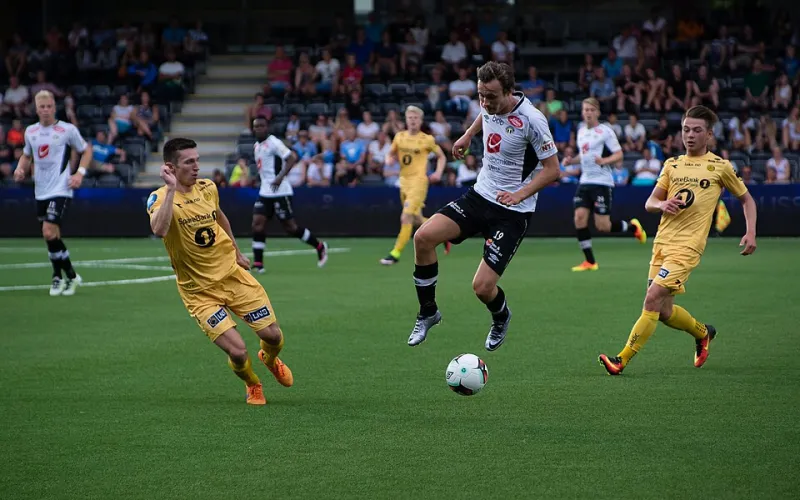
Photo: Akosua-Asamoabea Ampofo, CC BY-SA 4.0, via Wikimedia Commons
Not that long ago, prop bets were basically a Super Bowl party trick. You'd toss a few bucks on the coin flip, argue about the national anthem length, and call it entertainment. Fast forward to today, and props have swallowed the entire sports betting experience whole. Walk into any major US sportsbook app on an NFL Sunday and you'll find hundreds — sometimes thousands — of individual markets waiting for your action before the opening kickoff even happens.
This is the prop bet explosion, and understanding it might be the most important thing you can do for your bankroll right now.
What Exactly Is a Prop Bet, and Why Are There So Many?
A proposition bet is any wager that isn't tied directly to the final outcome of a game. That covers a massive range: player stats (will Ja'Marr Chase top 85 receiving yards?), team performance splits (will the Celtics score more than 58 points in the first half?), game events (will there be a safety?), and increasingly, hyper-granular micro-markets like whether a specific player will record a hit in the first at-bat, or whether a quarterback will be sacked on third down in the opening quarter.
Sportsbooks are flooding their platforms with these markets for a simple reason: the vig is fatter. On a standard spread or moneyline, competitive pricing between books keeps the juice relatively thin — often around -110 on both sides. Prop markets, especially the exotic ones, routinely carry -120, -130, or worse on both sides of the line. When a bettor doesn't have an obvious comparison point — and when the market feels small and fun — they're far less likely to shop for a better number. The house wins quietly, repeatedly, and at scale.
The Psychology Behind the Click
There's a reason prop betting resonates so deeply with modern sports fans. It turns passive viewership into something personal. When you've got $20 riding on whether Saquon Barkley rushes for more than 72.5 yards, every handoff becomes a small drama. Props create micro-narratives inside the larger game, and that engagement is genuinely compelling.
Behavioral economists call this the "illusion of control" — the sense that your specific knowledge about a player or matchup gives you an edge that a simple spread bet wouldn't capture. And sometimes, that instinct is right. But more often, it's a feeling masquerading as analysis. The human brain is wired to find patterns and assign meaning, and props give that tendency a very convenient outlet.
Sportsbooks know this. The design of modern wagering apps — bright colors, instant bet slips, same-game parlay builders that let you stack props into a single ticket — is built to keep that dopamine loop running. Each individual prop feels low-stakes. The cumulative effect on your bankroll, though, is anything but.
Where Real Edges Actually Exist
Here's the honest truth: most prop markets are efficiently priced enough that casual bettors have no meaningful edge. But "most" isn't "all," and that distinction matters.
Legitimate prop edges tend to cluster in a few specific areas:
Injury and lineup news: Books open prop lines based on projected rosters. When a key defender goes late scratch, the wide receiver props against that corner haven't necessarily adjusted yet. Speed matters here — lines move fast — but sharp bettors monitor injury reports obsessively for exactly this reason.
Pace and usage mismatches: If a team just lost its starting running back and the backup has historically absorbed a heavy workload in similar situations, the backup's rushing yards prop may not fully reflect that historical pattern. Context-heavy analysis of usage rates, target shares, and snap counts can surface genuine value.
Weather-impacted game props: Outdoor games with significant wind or precipitation frequently see passing props overvalued relative to where the game will actually go. Quarterbacks' passing yard totals and receiving props for wideouts are particularly vulnerable to weather-blind lines.
First-half and quarter splits: Books invest less pricing muscle in split-game markets than they do in full-game lines. Sharp bettors who track team tendencies — which teams start fast, which coaches adjust at halftime — can find softer numbers in these markets.
The Sucker Side of the Menu
For every legitimate edge, there are a dozen prop traps designed to look appealing while quietly bleeding you dry.
Anytime props — "will Player X score the first touchdown?" — are a classic example. The market typically prices a handful of players at -110 to -150 to score first, but the actual probability of any specific player hitting that exact outcome is far lower than the odds suggest. The field is diffuse, touchdowns are chaotic, and you're essentially paying a premium for excitement disguised as analysis.
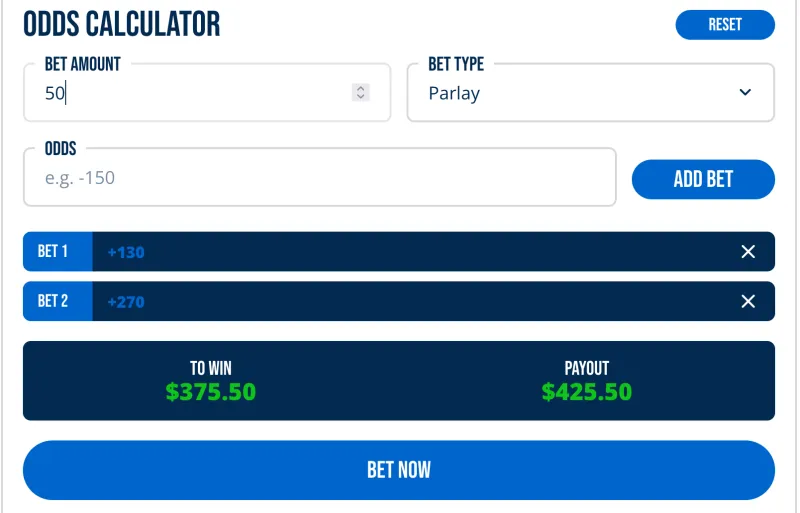
Same-game parlays deserve their own warning label. Stacking three or four correlated props into a single ticket feels clever — if the quarterback throws for 300 yards, his receivers probably go over their yardage totals, right? Some correlation is real, but books have gotten very good at pricing the correlation out of the payout. What looks like a juicy combined line is often just a dressed-up long shot with terrible implied value.
And then there are the novelty props — ejections, coach challenge outcomes, specific play-type sequences — where books have essentially no pricing competition and can set lines however they like. These exist almost purely for entertainment. Treat them that way.
Playing the Prop Market Smarter
None of this means you should avoid props entirely. They're genuinely fun, and for disciplined bettors, they offer more angles than a simple spread market does. But a few ground rules go a long way.
First, shop your numbers. Prop lines vary significantly across books — more so than standard markets. If you're betting a player's receiving yards total, checking three or four sportsbooks before placing could easily find you a half-point or full point of extra value. Over hundreds of bets, that difference is significant.
Second, treat same-game parlays as entertainment budget, not strategy. Put a hard cap on what you'll spend on them per week, and don't let a big hit convince you they're a sustainable approach.
Third, track your prop results separately. Most bettors who think they're crushing player props are actually losing ground once the juice is factored in. Honest record-keeping forces you to confront that reality before it gets expensive.
The prop market is genuinely one of the most exciting developments in American sports betting. It's also one of the easiest places to give money back to the house without realizing it. Know the difference, and you'll be in a much better position than the average bettor scrolling through 400 markets looking for vibes to bet on.
At FB888 Bet, we're all about helping you wager smarter — because knowing where the value lives is what separates the legends from the long shots.