Cold Streaks, Hot Hands, and the Hidden Math That Separates Sharp Bettors from the Pack
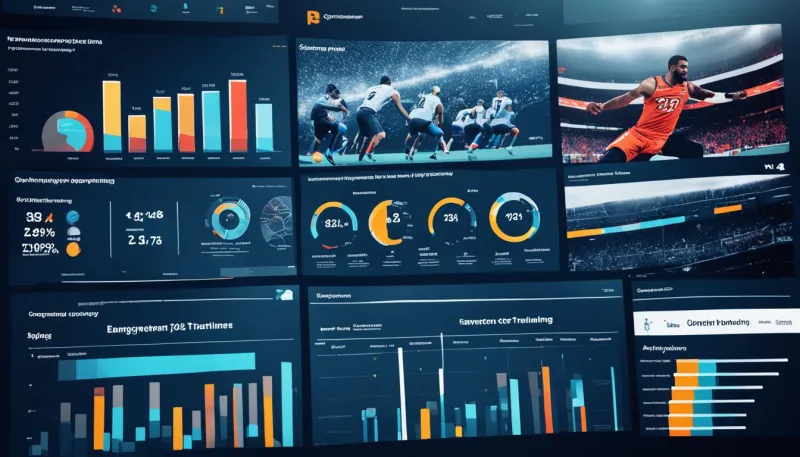
Photo: sports bettor analyzing data charts statistics laptop focused concentration, via crowleymediagroup.com
Anybody can win a bet. Flip a coin, pick a favorite, ride the hype — sometimes it works out. But ask any professional handicapper what separates a casual bettor from someone who's genuinely profitable over the long haul, and they'll tell you the same thing: it's not about picking winners. It's about building a process that survives the inevitable losing stretches and capitalizes on momentum when it arrives.
In 2024, sports betting in the US has never been more competitive — or more data-rich. With legal wagering now available across more than 30 states and platforms like FB888 Bet offering everything from NFL spreads to live Asian handicap markets, the tools available to serious bettors have expanded dramatically. So why do most people still lose?
The answer, it turns out, is equal parts psychology and math.
The Myth of the Hot Hand (And Why It's Complicated)
You've probably heard someone say they're "on fire" after winning three bets in a row. The temptation is to press — to bet bigger because momentum feels real. And here's the thing: sometimes it is.
Researchers have long debated the "hot hand fallacy" — the idea that past success in random events has no bearing on future outcomes. But sports betting isn't purely random. Unlike a roulette wheel, a sharp bettor's winning streak can actually reflect genuine edge — better line shopping, superior situational analysis, or identifying a soft market before it corrects.
Professional handicappers make a clear distinction between variance-driven streaks and edge-driven streaks. Variance streaks are noise. Edge streaks are signal. The trick is knowing which one you're riding.
"The worst thing a bettor can do is increase their unit size during a hot streak without understanding why they're winning," explains one veteran handicapper who has been betting NFL and college football professionally for over a decade. "If you won five in a row because the books had stale lines on three of them and you got lucky on two others, you don't have momentum — you have a false sense of confidence."
Bankroll Management: The Foundation Nobody Wants to Talk About
Here's a truth that separates amateurs from pros: the best sports bettors in the business aren't obsessed with their win rate. They're obsessed with their bankroll.
The standard recommendation among serious handicappers is to never wager more than 1-5% of your total bankroll on a single bet, regardless of how confident you feel. This approach — often called flat betting or unit-based wagering — sounds boring. It is boring. That's precisely why it works.
At FB888 Bet, the platform's wide range of bet types and markets actually makes disciplined bankroll management more important, not less. When you've got live betting, same-game parlays, and international soccer lines all available simultaneously, the temptation to over-extend is constant. The sharpest players treat each session with a pre-set budget and stick to it religiously.
Consider the math: a bettor with a 55% win rate (exceptional by any standard) who bets 20% of their bankroll per game can still go broke during a cold stretch that's well within the realm of normal variance. That same bettor betting 2% per game? They'll weather the storm and come out ahead over a large enough sample.
Pattern Recognition Without the Noise
One area where modern bettors genuinely have an edge is data access. Public betting percentages, line movement trackers, historical ATS (against the spread) records, weather data, injury reports — it's all out there, often for free. The challenge isn't finding information. It's filtering it.
Effective pattern recognition in sports betting comes down to identifying situations where the public is systematically wrong. Some classic examples:
- Primetime fade: Teams playing on national TV after a big emotional win often underperform expectations as the public overvalues the narrative.
- Divisional dogs: Underdogs in divisional matchups cover at a historically higher rate than non-divisional games, likely because familiarity reduces the talent gap.
- Line movement against public money: When 70%+ of bets are on one side but the line moves toward that side rather than away from it, sharp money may be on the other team.
These aren't guaranteed edges — nothing is. But they're repeatable situations where the math historically tilts in the informed bettor's favor.
The Emotional Discipline That Nobody Teaches
If bankroll management is the foundation, emotional discipline is the roof. Without it, even the best analytical framework collapses under pressure.
Chasing losses is the single most destructive behavior in sports betting. It's also nearly universal among losing bettors. After a bad beat — a last-second cover that flips a winner to a loser, for example — the emotional impulse is to immediately bet bigger to "get it back." This is how bankrolls evaporate.
Top handicappers treat a losing day the same way a professional athlete treats a bad game: review what happened, identify any mistakes, and move on without letting it affect the next decision. Many keep detailed logs of every bet, including their reasoning at the time, so they can audit their own decision-making separate from the outcome.
"Outcomes are noisy," says one data analyst who consults for professional betting syndicates. "Process is what you control. If you made the right call based on the information available and lost, that's fine. If you made a sloppy call and won, that's actually more concerning."
Building Real Momentum in 2024
So what does legitimate momentum look like for a sports bettor? It looks like consistency — not a win streak, but a steady, documented process of identifying value, managing exposure, and making decisions grounded in analysis rather than emotion.
At FB888 Bet, serious players have access to competitive lines across a huge variety of sports — from the NFL and NBA to international soccer leagues and combat sports — which means more opportunities to find genuine value when it exists. The platform's live betting interface also opens up in-game wagering strategies that sharp bettors increasingly favor, since live lines often lag behind real-time game developments.
The science of winning streaks, ultimately, is less about hot hands and more about building a system that compounds small edges over time. Champions don't just get lucky — they construct environments where luck has less say in the final outcome.
That's the real edge. And it's available to anyone willing to put in the work.