Lucky Stools and Hot Shooters: The Casino Rituals That Feel Good and Cost You Real Money
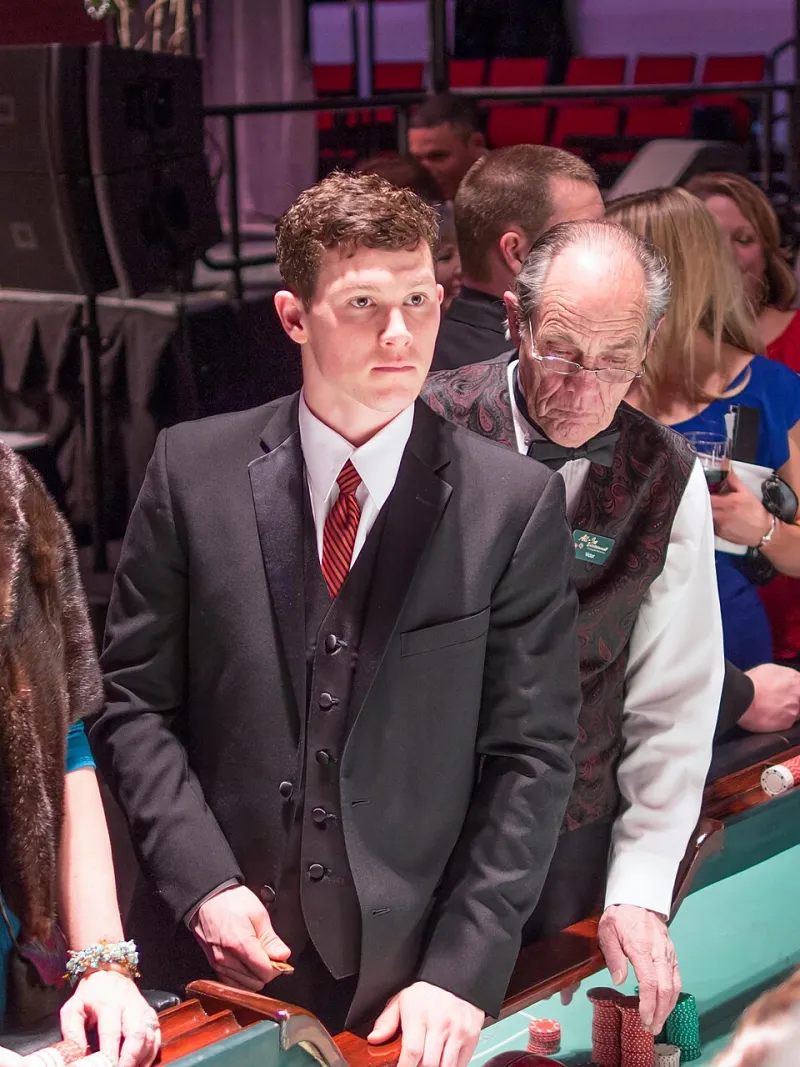
Photo: Benjamin Reed, CC BY-SA 2.0, via Wikimedia Commons
Spend enough time on a casino floor and you'll see it all: the craps player who refuses to shake the dice because 'shaking kills the heat,' the blackjack grinder who always taps the felt twice before a big hit, the slot regular who has physically claimed the same stool at the same machine for a decade.
Are these people fools? Not exactly. But some of their rituals are costing them money, and it's worth separating the harmless theater from the expensive fiction.
Why Superstition Runs the Floor
Casinos are engineered environments of randomness, and the human brain hates randomness. We're pattern-seeking machines, and when a slot machine pays after you rubbed the screen, your brain quietly files that as cause and effect. Psychologists call it the illusion of control — the belief that our actions can influence outcomes that are, by design, completely out of our hands.
The games most prone to superstition are the ones with the least skill. Nobody rituals over video poker strategy charts. But slots and craps? Pure randomness dressed in lights and sound. That's fertile ground for folklore.
The Hot Shooter Myth
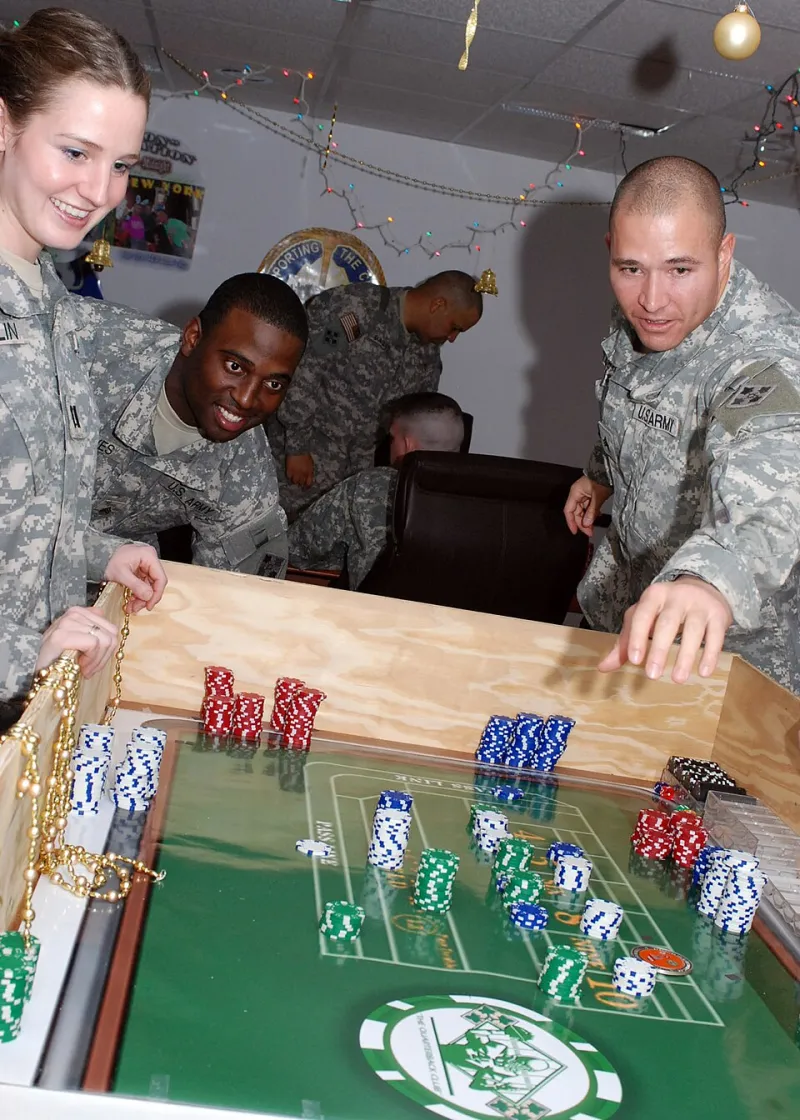
Let's start with the most beloved: the 'hot' craps shooter. When someone rolls point after point, the table surges, bets multiply, and strangers high-five like family. The math, however, is unmoved. Every craps roll is an independent event. A shooter who's rolled twelve straight passes has exactly the same probability on roll thirteen as the guy who sevened out four times in a row.
Here's the nuance, though: betting on a hot shooter isn't irrational because of the odds — the odds are identical either way. It's irrational only if you bet more than you normally would, chasing the streak with oversized wagers. The streak is real as a spectacle. It is not real as a signal.
Lucky Slots, Stools, and Machines 'Due to Hit'
Slot superstitions deserve special scrutiny because they're built on a deeper misunderstanding. Modern slots run on random number generators that cycle thousands of number combinations every second, whether the machine is being played or not. That machine that hasn't hit in three hours is not 'due.' It has no memory. Neither does the one that just paid a jackpot.
Your lucky stool is fine. Sit where you like. But if you're camping at a cold machine because you've 'invested' in it, you're falling for sunk-cost thinking — the same trap that keeps bettors chasing losses long past the point of reason.
Which Rituals Are Harmless — and Which Cost Real Money
Honest accounting:
- Harmless: Lucky charms, tapping the felt, blowing on dice, sitting at 'your' machine. These cost nothing and make the night more fun. Casinos run on entertainment, and ritual is entertainment.
- Expensive: Betting more because a streak 'feels' destined, switching machines after every loss, increasing bets on a slot that's 'warming up,' or tipping the dealer extra because it'll 'change your luck.'
- Most expensive of all: Letting superstition override bankroll discipline. The player who blows through a session budget because the table is hot has handed their money to folklore.
What the Cold Math Actually Says
Here's the liberating part: once you accept that the dice have no memory and the slots have no schedule, you can finally evaluate games honestly. Craps offers some of the best odds in the casino if you stick to the line bets and take maximum odds behind them. Blackjack rewards basic strategy, not felt-tapping. Slots are entertainment with a fixed house edge — play them for the lights, not the 'due' payouts.
The rituals will never die, and honestly, we wouldn't want them to. There's something wonderful about a craps table full of strangers united by a superstition. Just know which of your beliefs are theater and which are accounting errors. The dice don't care. But your bankroll does.